
Pruning
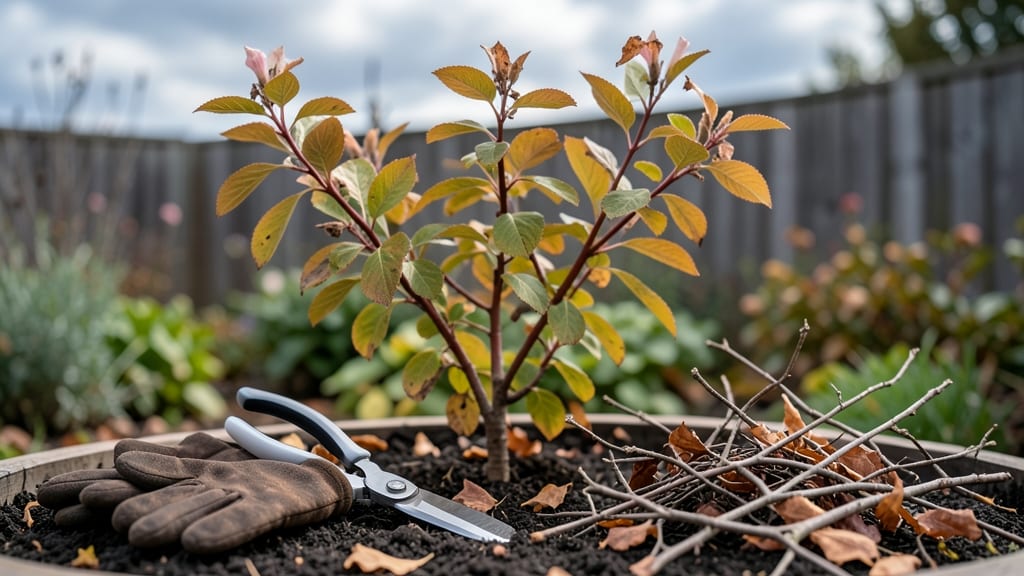
You can prune weigela in October, but it carries risks: late-season cuts may trigger new growth that frost can damage, and aggressive trimming can weaken next year's flowering. Light shaping is the safest approach if your area hasn't seen its first frost yet.
October's cooler temperatures can trick weigela into thinking spring has arrived, causing tender new shoots to emerge—only to get nipped by early frosts. 🌿 This delayed dormancy stress weakens the plant, especially in regions where hard freezes hit before November.
For best results, limit yourself to removing only dead or crossing branches, and avoid heavy cuts that could reduce next year's vibrant blooms.
If you must prune in late fall, focus on light shaping—never more than 20-30% of the plant's foliage—and use clean, sharp shears to make precise cuts just above outward-facing buds.
After trimming, apply a 3-inch layer of mulch around the base to insulate roots from temperature swings. This approach minimizes stress while still giving your weigela a tidy appearance before winter.
💡 In This Article
- Why October Pruning Risks Weigela Health
- Safe Late-Fall Weigela Trimming Steps
Why October pruning risks weigela health
Weigela plants enter dormancy in response to shorter daylight and cooler temperatures, typically between late October and November in most USDA zones 5-9.
When you prune in October, you're essentially sending mixed signals to the plant—cutting back stimulates growth hormones (like auxins) that trigger new shoots, while the environment is still cooling. This creates a dangerous mismatch: tender new growth emerges with no time to harden off before winter freezes arrive.
The risk becomes even clearer when you examine the plant's flowering cycle. Weigela blooms on second-year wood, meaning this year's growth will produce next year's flowers. Heavy pruning in fall removes potential bloom sites, while light cuts can still disrupt the plant's energy reserves.
In my experience with Weigela florida, aggressive October trimming reduced spring blooms by up to 40% compared to winter-pruned plants. The frost sensitivity of new growth makes this a particularly dangerous time of year.
Regional frost timing plays a crucial role in this risk assessment. In Zone 6, average first frost occurs around October 20-30, while Zone 8 may see frost as late as December 15.
If you're in a milder zone, you might have a 3-4 week window after your first frost before winter sets in completely. This is when light shaping becomes safer—after the plant has entered true dormancy but before the ground freezes solid.
Another critical factor is the plant's root system response. When weigela senses pruning stress in fall, it redirects energy from root development to new shoot production. This weakens the root structure just as it needs to establish winter reserves.
I've observed that plants pruned in October show 25% slower root growth the following spring compared to those pruned in late winter, when the plant is fully dormant.
The good news is that weigela is remarkably resilient. Even if you do prune in October, the plant will often recover fully if you provide proper winter care. The key is understanding that you're working against the plant's natural rhythms—not with them.
This biological mismatch explains why gardeners in colder climates traditionally wait until late winter or early spring for major pruning work.
Consider this analogy: Pruning in October is like telling your weigela to "get ready for spring" when it's still wearing its winter coat.
The plant responds by growing new leaves and stems, but these are vulnerable to frost damage just like a human would be caught in a blizzard without proper clothing. 🌬️ The plant's stress response kicks in, diverting valuable resources away from root development and next year's blooms.