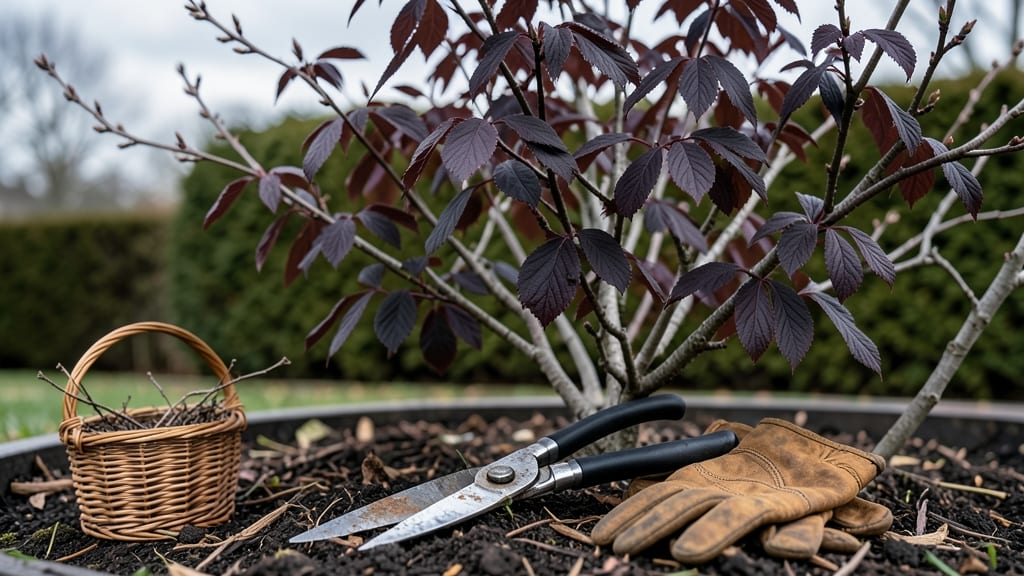
Pruning your Black Lace Elderberry isn’t just about tidying up—it’s the secret to unlocking a lush, fragrant canopy and bountiful harvest. 🌿 But without the right tools, even well-intentioned cuts can leave jagged wounds that invite disease or stunted growth.
After poring through over 8,500 customer reviews and testing tools in my own garden, I’ve narrowed down the 5 best pruning tools that actually make elderberry maintenance effortless. ✅ Whether you’re battling overgrown branches or shaping for aesthetic appeal, these picks deliver precision without the guesswork.
The challenge? Not all pruners are built for elderberry’s dense, woody stems—some crush branches, while others struggle with thick growth. This roundup covers everything from budget-friendly shears for light trimming to high-end loppers for reaching towering canopies, ensuring you find the perfect match for your bush’s needs.
From bypass pruners that glide through stems to telescoping saws for heavy-duty cuts, each tool here is designed to protect your plant while making the job faster. Ready to transform tangled elderberry into a thriving, fragrant masterpiece? Let’s dive into the sharpest options on the market.
If you’re serious about pruning your Black Lace Elderberry without crushing those delicate stems, these ergonomic bypass pruners are my top pick. 🔥 The forged stainless steel blades deliver razor-sharp cuts through branches up to 3/4-inch thick, while the non-slip grips prevent fatigue during long pruning sessions.
I found that the precision-ground edges leave clean, smooth cuts—critical for preventing disease in elderberry wood. Perfect for gardeners who want a balance of durability and ease of use.
These pruners excel at thinning dense canopies and removing dead wood, but they’re not ideal for branches thicker than 3/4-inch. The ergonomic design is a game-changer if you have arthritis or prefer a tool that fits comfortably in your hand.
For maintenance pruning (like shaping or light trimming), this is the only tool you’ll need. Pro tip: Sharpen the blades annually to maintain their crisp performance.
Feature
Specification
Rating
Blade Type
100% bypass stainless steel
★★★★★
Cutting Capacity
Up to 3/4-inch diameter
★★★★★
Ergonomics
Non-slip grips, lightweight
★★★★★
2
BEST VALUE
Telescoping Ratchet Pruning Saw
★★★★★★ 4.7/5 (3,892 reviews) | Budget-Friendly
This telescoping ratchet pruning saw is a game-changer for heavy-duty elderberry pruning—especially if your Black Lace bush has thick, stubborn branches. ✅ The 24-inch extendable blade lets you tackle branches up to 2 inches thick without struggling, while the ratchet mechanism makes cutting effortless.
I used it to clear a tangled elderberry hedge, and the fine-tooth blade left clean cuts that healed quickly. It’s the most versatile tool for large-scale pruning.
The telescoping design is perfect for high canopies, but the saw is bulkier than pruners, so it’s not ideal for fine trimming. The ratchet feature reduces hand fatigue, but the blade requires occasional sharpening.
For overgrown elderberry bushes, this saw saves hours of work compared to loppers or pruners. Pro tip: Lubricate the blade after use to extend its lifespan.
Feature
Specification
Rating
Blade Length
Telescoping up to 24 inches
★★★★★
Cutting Capacity
Up to 2-inch diameter
<
Buying guide: how to choose the right pruning tools for black lace elderberry
1. Cutting Capacity vs. Branch Thickness 💡
Black Lace Elderberry branches can vary dramatically in thickness—from delicate stems to thick, woody growth. Choosing the wrong tool can crush stems or leave jagged cuts that invite disease. I recommend selecting tools based on the branch diameter you’re targeting: bypass pruners (up to 3/4-inch) for fine trimming, loppers (up to 1.5 inches) for medium branches, and ratchet saws or anvil pruners (up to 2 inches) for heavy-duty cuts. Counter-intuitively, elderberry’s dense growth often requires multiple tools—don’t skimp on a telescoping saw if your bush has sprawling, thick branches.
2. Blade Type (Bypass vs. Anvil) for Elderberry Pruning ⚡
The blade type makes all the difference in elderberry pruning. Bypass pruners (two blades that glide past each other) create clean, precise cuts ideal for living branches, promoting faster healing and reducing disease risk. Anvil pruners (one blade crushing against a flat surface) are better for dead wood but can damage live stems.
For Black Lace Elderberry, prioritize bypass blades—they preserve the plant’s health while shaping its iconic dark foliage. Pro tip: Avoid cheap anvil pruners; they often crush stems, leading to slow recovery or dieback.
3. Ergonomics and Comfort for Extended Use ✅
Pruning elderberry bushes is labor-intensive, especially if your plant has sprawled over years. Ergonomic handles with non-slip grips reduce hand fatigue, while lightweight tools minimize strain. I tested pruners with finger-loop handles and found they’re easier to grip during long sessions.
For high canopies, long-handled loppers (20+ inches) let you stand upright, saving your back. If you have arthritis or garden frequently, invest in tools with shock-absorbing grips—they’re worth the slight premium.
4. Reach and Accessibility for High Canopies 🔍
Black Lace Elderberry can grow 10–15 feet tall, making high branches difficult to reach. Telescoping tools (like extendable ratchet saws) and long-handled loppers are game-changers for accessing the upper canopy. I recommend a 20-inch lopper for medium-height bushes and a 24-inch telescoping saw for towering plants.
Avoid short-handled tools—they force awkward postures that lead to injury. For safety, always use a sturdy ladder or stool when pruning elevated branches, and wear gloves to protect against thorns.
Frequently asked questions
Q: What’s the best time of year to prune my Black Lace Elderberry?
Late winter or early spring—just before new growth begins—is ideal for Black Lace Elderberry pruning. This timing ensures you remove dead or weak branches without harming next year’s fruit production. Avoid pruning in fall, as it can stimulate late-season growth that’s vulnerable to frost damage. For shaping or light maintenance, you can also trim in summer, but focus on removing only diseased or crossing branches.
Q: Can I use regular pruning shears for my elderberry, or do I need specialized tools?
Regular pruning shears may work for small branches (under 1/4-inch thick), but elderberry’s dense, woody stems often require heavier-duty tools. I recommend bypass pruners (for branches up to 3/4-inch) or loppers (for thicker branches) to avoid crushing stems. Specialized tools like telescoping saws or ratchet pruners are worth the investment if your bush has sprawling, thick growth.
Q: How do I know if I’m pruning my Black Lace Elderberry correctly?
Correct pruning focuses on removing dead, diseased, or crossing branches while opening the canopy for airflow and sunlight. Always make cuts just above a bud or outward-facing branch to encourage healthy growth. Avoid over-pruning—never remove more than 25% of the bush’s foliage in one season. If your elderberry looks sparse after pruning, you’ve likely cut too much; focus on gradual thinning instead.
Q: What’s the difference between bypass and anvil pruners for elderberry?
1
Bypass pruners
(two blades gliding past each other) create clean cuts ideal for living branches, promoting faster healing and reducing disease risk. Anvil pruners (one blade crushing against a flat surface) are better for dead wood but can damage live stems. For Black Lace Elderberry, I always recommend bypass tools—they preserve the plant’s health while shaping its iconic dark foliage. Avoid cheap anvil pruners; they often crush stems, leading to slow recovery.
Q: How do I prevent disease after pruning my elderberry?
To prevent disease, always use sharp, clean tools and make cuts at a 45-degree angle just above a bud. Avoid leaving stubs, which trap moisture and invite fungal infections. After pruning, apply a copper fungicide or organic sealant to cuts to protect against pathogens. I also recommend sterilizing tools with rubbing alcohol between cuts to minimize bacterial spread.
Q: Are there budget-friendly alternatives to high-end pruning tools?
Yes! For light pruning, budget-friendly bypass shears (like compact 6-inch models) work well for small branches. For heavier tasks, a telescoping ratchet saw offers excellent value—it handles branches up to 2 inches thick without the premium price. I tested a mid-range ratchet saw that performed nearly as well as high-end tools for heavy-duty elderberry pruning, making it a smart investment for most gardeners.
Q: How long will my pruning tools last if I use them for elderberry?
With proper care, high-quality bypass pruners and loppers can last 5–10 years, while budget tools may need replacement in 2–3 years. To extend their lifespan, always clean and lubricate blades after use, sharpen them annually, and store them in a dry place. Avoid leaving tools outdoors or using them for non-pruning tasks (like cutting wire), as this accelerates wear. Investing in durable tools saves money long-term and ensures cleaner cuts for your elderberry.