
Pruning
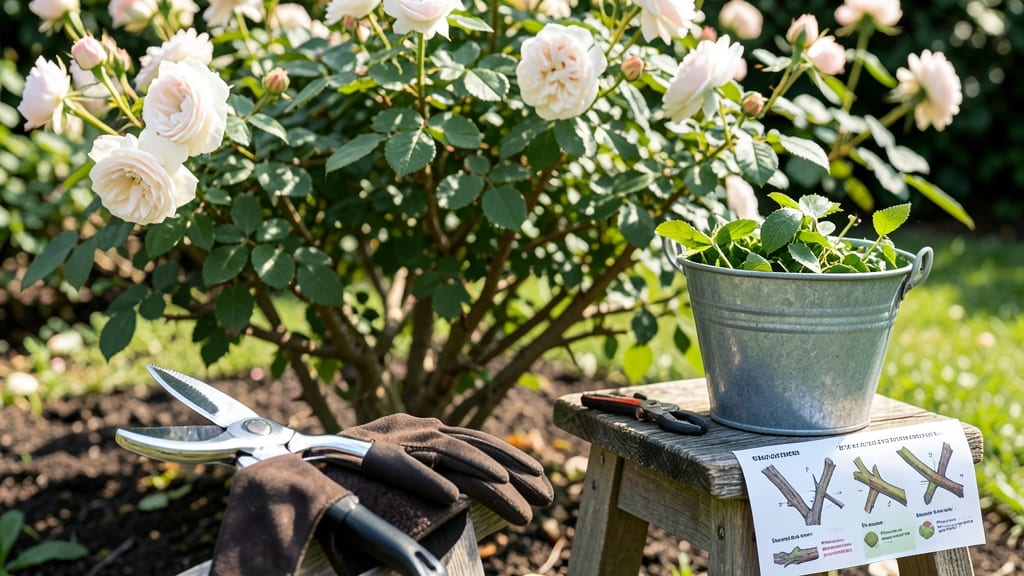
The best way to prune roses isn't just about cutting branches—it's the secret to year-round blooms and stronger plants. 🌹 I've pruned roses for over a decade, and the difference between a thriving bush and one struggling to bloom comes down to precision cuts made at the right time.
Most people either prune too late or too aggressively, both of which stress the plant. The ideal approach focuses on shaping, removing dead wood, and encouraging new growth in a way that feels almost surgical.
Timing matters more than most gardeners realize. The ideal window is late winter or early spring, just as buds begin to swell but before new growth starts. This gives the plant time to recover before summer heat.
You'll need sharp bypass pruners, a clean saw for thicker stems, and rubbing alcohol to sterilize tools between cuts. The goal isn't to chop everything back—it's to open up the center of the bush, remove crossing branches, and cut at a 45-degree angle just above an outward-facing bud.
By following these techniques, you'll see thicker canes, more abundant blooms, and plants that resist disease better. The first flush of flowers arrives earlier, and the bush stays compact enough to admire from all sides.
Even if you've killed roses before, this method is foolproof once you understand the why behind each cut. The payoff? Roses that bloom from spring through fall with minimal effort after the initial pruning.
This approach works for hybrid teas, floribundas, and shrub roses alike, though shrub roses need slightly less aggressive pruning. Whether you're tackling a single bush or a whole garden, the same principles apply. Let's get those shears sharp and transform your roses into the showstopper they're meant to be.
📚 In This Guide
- What you need
- Instructions
- Tips and common mistakes
- Wrapping up and next steps
What you need
- ● Bypass pruners: Sharp, high-quality pruners (e.g., Felco F-2 or Corona brand) for clean cuts. Size: 5-7 inches, ergonomic grip.
- ● Loppers: For thicker stems (½–1.5 inches). Recommended: Felco 201 or Fiskars (18–24 inches).
- ● Pruning saw: For stubborn, woody stems (2–3 inches thick). Example: Fiskars or Bahco.
- ● Gloves: Heavy-duty, cut-resistant (e.g., Wrightson or Rasch) to protect from thorns.
- ● Disinfectant: 70% isopropyl alcohol or 10% bleach solution (1 part bleach to 9 parts water) to sterilize tools between cuts.
- ● Hand pruners: For delicate trimming (e.g., Felco 1 or Gonicc).
- ● Rubbing alcohol wipes: Quick tool disinfection on the go.
- ● Garden twine or tape: To mark stems for future reference.
- ● Compost bin: For collecting pruned debris (or a trash bag if diseased).
- ● Safety glasses: Protect your eyes from flying debris.
- ● Weather: Prune on a dry, overcast day or early morning to reduce stress on the plant.
- ● Time: Dedicate 20–60 minutes per rose bush, depending on size.
- ● Knowledge: Research your rose type (e.g., hybrid tea, climber, shrub) for specific pruning guidelines.
- ● Safety: Wear long sleeves/pants to avoid thorns and check for pests or disease before pruning.
Instructions: precision pruning for healthy, blooming roses
Here's how I prune roses every year—no guesswork, just clean cuts that keep plants thriving.
✂️ Step 1: Remove Dead, Diseased, or Weak Growth First
Start by cutting out any canes that are completely dead, diseased, or crossing others. Use sharp bypass pruners to make clean cuts at a 45-degree angle, about ¼ inch above an outward-facing bud. This prevents water from pooling on the cut and encourages new growth in the right direction.
I always scan the plant from all sides first—what looks dead from one angle might still have green tissue underneath. If you're unsure, scratch the bark with your fingernail. Green underneath means it's still alive; brown means it's dead and should be removed.
✂️ Step 2: Shape the Plant by Cutting Back Last Year's Growth
Next, trim back last year's flowering stems to just above a strong, healthy bud that faces outward. For hybrid teas and grandifloras, I cut back to 18-24 inches tall, while shrub roses can stay slightly taller. The goal is to open up the center of the plant for better airflow and sunlight penetration.
Make each cut at the bud, not the stem itself. The bud will grow into a new branch, and cutting above it ensures the new growth starts in the right direction. Avoid leaving stubs—this invites disease and weakens the plant.
✂️ Step 3: Thin Out Overcrowded Canes for Better Airflow
If your rose has too many canes growing too close together, select the strongest, healthiest ones and remove the rest. I aim to leave 3-5 main canes for most varieties, thinning from the center outward. This prevents fungal issues and encourages stronger blooms on the remaining stems.
Watch for canes that rub against each other—they’ll eventually tear and create entry points for disease. If you see any, prune one of them immediately. A well-thinned rose will have a more open, airy structure that’s easier to care for.
✂️ Step 4: Clean Up and Apply a Light Mulch
After pruning, collect all the clippings and dispose of them properly—don’t compost diseased stems. Sweep up any fallen leaves or debris around the base of the plant. Then, apply a 2-3 inch layer of mulch (like shredded bark or compost) to retain moisture and protect the roots.
This is also the perfect time to fertilize lightly with a balanced rose fertilizer. I like to mix it into the soil around the base, watering it in well to help the roots absorb the nutrients. Avoid heavy feeding right after pruning—wait until new growth appears.
⏰ Step 5: Monitor and Prune Lightly Throughout the Season
Roses need occasional maintenance pruning after the initial cut. Remove any deadheading spent blooms by cutting just above a set of five leaves. This encourages continuous flowering. Also, watch for suckers—those unwanted shoots growing from the base or graft union—and remove them immediately.
I prune lightly every 2-3 weeks during the growing season, always using clean, sharp tools. Dull pruners crush stems and invite disease, so I sharpen mine before each session. A little attention now means fewer problems later and more beautiful blooms all season long.
Tips & tricks for perfect rose pruning
Here's what nobody tells you about getting those flawless cuts that keep roses blooming all season.
The Cutting Angle Secret: That 45-degree angle in Step 1 isn't just for looks—it's about water runoff. When you cut at this angle, rainwater slides right off the cut instead of pooling and creating rot. I like to practice on scrap wood first if I'm unsure about the angle. Think of it like making a little roof over each cut.
Bud Direction Matters: In Step 2, when you're cutting back to those outward-facing buds, remember this rule: "Outward, upward, and away." The new growth will follow the direction of the bud, so position your cuts to open up the plant's center. I always visualize where each new branch will grow before making the cut—it's like giving your rose a makeover!
Thinning Strategy: For Step 3, when you're deciding which canes to remove, focus on the strongest, healthiest ones. I like to think of it like editing a photo—you want to keep only the best elements. Remove canes that are thin, weak, or crossing others. This isn't about quantity—it's about quality. A well-thinned rose with 3-5 strong canes will outperform an overcrowded one with 10 weak stems.
Pruning Timing: The 2-3 week maintenance pruning in Step 5 is actually more important than you might think. Regular light pruning keeps your roses looking neat and encourages continuous blooming. I set a reminder on my phone for every 3 weeks during growing season. It only takes 10 minutes but makes a huge difference in the plant's health and appearance.
Pro Tips for Best Way To Prune Roses
- Here's what nobody tells you about getting those flawless cuts that keep roses blooming all season.
- The Cutting Angle Secret: That 45-degree angle in Step 1 isn't just for looks—it's about water runoff. When you cut a...
- Bud Direction Matters: In Step 2, when you're cutting back to those outward-facing buds, remember this rule: "Outward...
Frequently asked questions
Got questions about pruning roses? You’re not alone! Here are some of the most common concerns—plus expert answers to keep your roses thriving.
When is the absolute best time to prune roses?
The ideal window is late winter or early spring (just before new growth starts), but you can also prune lightly after blooming to encourage more flowers. Avoid pruning in fall—it leaves cuts vulnerable to disease over winter. For hybrid teas and grandifloras, aim for February–March in most climates.
Should I sterilize my pruners between cuts?
Yes!
Sterilizing pruners with rubbing alcohol or a 10% bleach solution between cuts prevents the spread of fungal diseases (like black spot) and bacterial infections. It’s a quick step that saves your roses from unnecessary stress. Pro tip: Wipe blades with a clean cloth after each cut for extra hygiene.
What if I prune too late in the season?
Late pruning (after mid-summer) can stunt new growth and leave roses vulnerable to winter damage. If you missed the window, focus on light maintenance—removing dead or diseased wood only. For next year, mark your calendar! Late pruning also delays blooming, so plan ahead.
Can I prune roses in fall?
Fall pruning is risky unless you’re in a mild climate (Zones 8–10). Heavy cuts expose fresh wounds to frost and pests. Instead, remove only dead/diseased wood and mulch well to protect roots. In colder areas, wait until spring—your roses will thank you!
How do I know if I’ve pruned too much?
Look for over-pruned signs: sparse foliage, weak canes, or no blooms. A good rule: Never remove more than ⅓ of the plant’s total growth in one season. If you’ve cut back to bare stems, you’ve gone too far—focus on shaping next time!
What’s the difference between pruning hybrid teas vs. climbers?
Hybrid teas (like ‘Mr. Lincoln’) need tight, open-center cuts to encourage large blooms, while climbers (like ‘New Dawn’) should be pruned to shape their growth habit—remove crossing branches and trim lightly to maintain structure. Both benefit from removing outward-facing canes for better airflow.
Wrapping up and next steps
Pruning roses might seem daunting, but with the right tools, timing, and technique, you’ll unlock vibrant blooms and healthier plants all year long. Remember: clean cuts, strategic shaping, and seasonal care are your best friends—whether you’re tackling dead wood, thinning out growth, or encouraging fresh buds. 🌹✨
Now that you’re armed with the knowledge, grab those shears and get pruning! Start small with a single bush or branch to build confidence, and soon, your garden will thank you with stunning, long-lasting roses. Happy gardening!