
Pruning
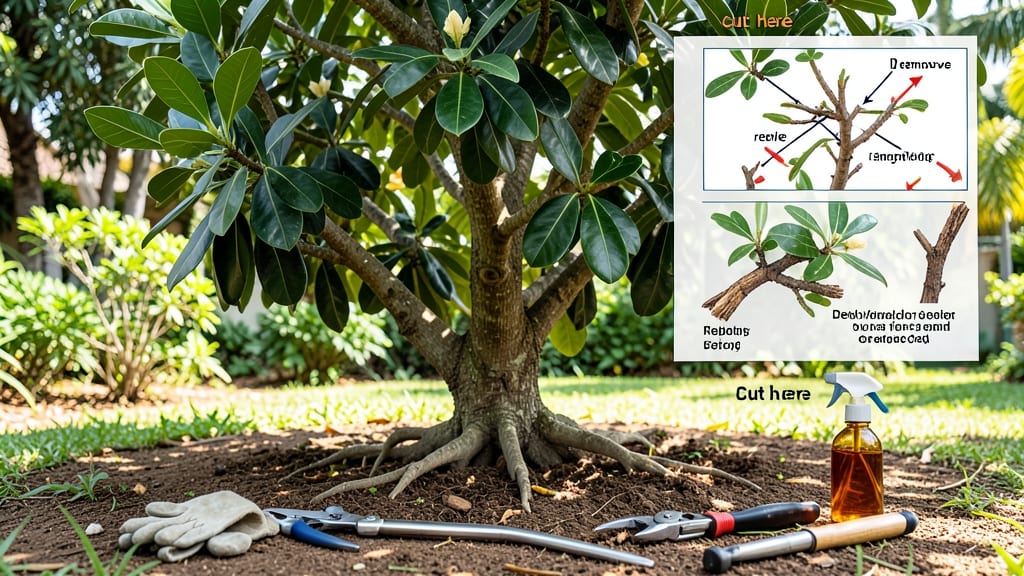
Mastering avocado tree pruning with a clear avocado tree pruning diagram in mind transforms your tree from a tangled mess into a thriving, fruit-bearing powerhouse. ✂️ I’ve spent years watching how strategic cuts unlock healthier growth and bigger harvests—the secret lies in timing, technique, and knowing which branches to keep (and which to remove).
The best time to prune is late winter or early spring, before new growth starts. You’ll need sharp pruners, gloves, and a clear vision—because every cut should have a purpose, whether it’s opening up the canopy for sunlight or removing dead wood that’s draining energy.
Think of it like sculpting: you’re shaping the tree’s future, not just trimming for looks.
By following the right cuts—like removing suckers (those fast-growing shoots at the base) and thinning crowded branches—you’ll see thicker trunks, more flowers, and heavier fruit within a season. The tree breathes easier, pests have fewer hiding spots, and your harvest becomes more reliable year after year.
This isn’t just pruning; it’s an investment in your tree’s long-term health. Whether you’re working with a young sapling or a mature avocado, the same principles apply. Let’s get those branches under control—and your tree will thank you with juicier fruit and stronger branches.
📚 In This Guide
- What you need
- Instructions
- Tips and common mistakes
- Wrapping up and next steps
What you need
- ● Pruning shears: Bypass pruners (sharp, 4- to 6-inch blades) for small branches (1/4"–3/4" diameter). Example: Felco F-2 or Corona Tools.
- ● Loppers: 8- to 10-inch handles for medium branches (3/4"–2" diameter). Example: Fiskars PowerGear.
- ● Pruning saw: Curved or folding saw for thick branches (2"+ diameter). Example: Bahco Laplander.
- ● Disinfectant: 70% isopropyl alcohol or 10% bleach solution (1 part bleach to 9 parts water) to sterilize tools between cuts.
- ● Gloves: Heavy-duty, cut-resistant (e.g., Mechanix Wear or PIP non-latex).
- ○ Pruning sealant: Optional but helpful for large cuts (e.g., Tanglefoot Tree Wound Pruning Seal).
- ● Ladder: Sturdy, extendable (16–24 ft) for taller trees. Safety tip: Use a harness if climbing!
- ● Trash bags: Heavy-duty (10–20 gallon) for collecting pruned branches.
- ● Marking twine or flags: Colored string or biodegradable flags to tag branches for removal.
- ● Sharpie or tape: For labeling tools or marking cuts (e.g., "cut here" on branches).
- ● Pole saw: For high branches without a ladder (e.g., 20–30 ft reach).
- ● Tree wound dressing: Natural options like beeswax or horticultural paste.
- ● Camera/phone: To document progress or reference your avocado tree pruning diagram later.
- ● First-aid kit: Just in case—pruning can be surprisingly hands-on!
Step-by-step avocado tree pruning: how to make strategic cuts
Pruning an avocado tree isn't just about hacking away at branches—it's about shaping growth and maximizing fruit production.
🌿 Step 1: Identify the Right Time and Tools
Prune your avocado tree during its dormant season, which in most climates means late winter or early spring before new growth begins. This timing ensures you're not disrupting flowering or fruit development. I always use sharp, clean pruning shears—dull tools crush stems and invite disease.
Disinfect your tools with rubbing alcohol between cuts to prevent spreading fungal spores. You'll want a hand pruner for small branches and a pruning saw for thicker limbs over ½ inch in diameter. Avoid using loppers—they can damage the tree's bark if not used properly.
✂️ Step 2: Remove Dead, Diseased, or Damaged Branches
Start by scanning the tree for branches that are dead, broken, or diseased. Dead branches will be brittle and snap easily when bent, while diseased ones may show discoloration, oozing sap, or fungal growth. Cut these out first—they're taking energy from healthy growth.
Make your cuts just outside the branch collar, the swollen area where the branch meets the trunk. Never leave a stub, as it can rot and attract pests. If a branch is larger than 2 inches, use your pruning saw and make the cut at a slight angle to prevent water pooling.
☀️ Step 3: Thin Out Crowded or Crossing Branches
Next, focus on branches that are rubbing against each other or growing inward toward the center of the tree. These "crossing branches" compete for sunlight and air circulation, creating a weak structure and increasing disease risk. Remove the smaller of the two branches to maintain the tree's natural shape.
Look for branches that are growing straight up—these are called "water sprouts" and should be pruned back to a lateral branch or bud. You'll see these as thin, fast-growing shoots that don't contribute to the tree's structure. Aim to thin the canopy by about 20-30% to improve airflow and sunlight penetration.
🌱 Step 4: Shape the Tree for Optimal Growth and Fruit Production
Avocado trees benefit from an open-center shape, which allows sunlight to reach the inner branches where fruit develops. Start by selecting 3-5 main branches to form the tree's structure—these should be evenly spaced around the trunk and angled outward.
Prune back any branches that are growing too close together or competing for dominance. Cut just above an outward-facing bud to encourage new growth in the right direction. Avoid over-pruning—the goal is to maintain the tree's natural form while improving its health and fruit-bearing capacity.
🪴 Step 5: Clean Up and Monitor for New Growth
After pruning, rake up and dispose of all debris from the tree to prevent fungal diseases. Apply a thin layer of mulch around the base of the tree to retain moisture and suppress weeds. Water deeply to help the tree recover from the stress of pruning.
Watch for new growth in the weeks following pruning—this is a sign the tree is responding well. If you notice any unusual wilting, discoloration, or signs of stress, adjust your care routine by ensuring the tree gets enough water and sunlight. Pruning is a gradual process, so avoid making drastic cuts in one session.
Tips & tricks for perfect avocado tree pruning
Here's what nobody tells you—these are the details that separate a good pruning job from a truly healthy, productive avocado tree.
Tool Selection Wisdom: I learned this the hard way after ruining three branches with dull shears—always use tools that make clean cuts. For branches over ½ inch thick, invest in a pruning saw with a curved blade; it glides through wood without tearing. The key is making cuts that heal properly, not ones that leave jagged edges inviting pests.
Branch Collar Technique: This is where most people go wrong. When cutting branches larger than 2 inches, make your cut just outside the branch collar—the swollen area where the branch meets the trunk. Never cut flush with the trunk, as this creates wounds that take forever to heal. I mark the collar with a pencil first to avoid mistakes.
Thinning Strategy: The 20-30% canopy thinning recommendation isn't arbitrary—it's based on how avocado trees naturally respond. Remove branches that grow straight up (water sprouts) by cutting just above an outward-facing bud. This encourages growth in the right direction while maintaining that open-center shape crucial for fruit production.
Post-Pruning Care: After cleaning up debris, don't just walk away. Apply a 2-3 inch layer of mulch around the base (but keep it 6 inches away from the trunk) to protect roots and retain moisture. The tree will need about 1-1½ inches of water per week during recovery—deep watering is better than frequent shallow watering.
Pro Tips for Avocado Tree Pruning Diagram
- Here's what nobody tells you—these are the details that separate a good pruning job from a truly healthy, productive avocado tree.
- Tool Selection Wisdom: I learned this the hard way after ruining three branches with dull shears—always use tools that make clean cuts.
- Branch Collar Technique: This is where most people go wrong.
Frequently asked questions
Got questions about pruning your avocado tree? You’re not alone! Here are answers to the most common concerns—from timing to troubleshooting—to help you prune like a pro.
When is the best time to prune an avocado tree?
The ideal time is late winter or early spring, before new growth begins. This ensures minimal stress on the tree and allows it to heal before summer heat. Avoid pruning during fruit production or extreme weather.
Can I prune an avocado tree at any age?
Yes! Young trees (under 3 years) need light shaping, while mature trees benefit from structural pruning. Never remove more than 25% of the canopy at once—avocados are sensitive to over-pruning. Always prioritize air circulation and sunlight access.
What if I accidentally cut too much?
Don’t panic! If you’ve over-pruned, focus on watering deeply and fertilizing with a balanced formula. Avoid pruning again for at least 6 months. Severe cuts may reduce fruit yield temporarily, but the tree will recover.
Do I need to sterilize my pruning tools?
Absolutely!
Use rubbing alcohol or a 10% bleach solution to clean tools between cuts. Sterilization prevents fungal/bacterial infections (like anthracnose) that can harm your tree. A quick wipe before and after pruning saves time and stress.
Can I prune an avocado tree in containers?
Yes, but with adjustments. Container-grown trees need regular pruning to control size and roots. Trim roots if they circle the pot, and prune branches to match the container’s height. Dwarf varieties handle pruning better than standard types.
Wrapping up and next steps
Mastering avocado tree pruning is all about balance, timing, and patience—and you’ve taken a huge step forward! 🌱 By following our step-by-step diagram and tips, you’re setting your tree up for stronger branches, better fruit production, and a healthier plant.
Remember, every cut is an investment in your tree’s future.
Now that you’re armed with knowledge, grab those shears and give your avocado tree the care it deserves! Start small, observe how it responds, and adjust as needed. Happy pruning! 🌿